
Start Your CDL Class Journey Today
A CDL class is a structured training program that prepares you to obtain your commercial driver’s license and launch a career moving goods across the nation. In 2025, the trucking industry faces a persistent driver shortage, creating massive opportunities for individuals ready to step behind the wheel of a commercial truck.
Students can be ready to pass their skills test in as few as 4 weeks with focused Class A or Class B CDL training programs.
This is one of the fastest paths to a rewarding career, with many new drivers starting around $50,000–$60,000 per year, depending on region and employer.
The demand for commercial drivers continues to grow as e-commerce and logistics expand across the country.
This guide will walk you through everything you need to know about CDL classes—requirements, training options, costs, and how to choose the right school for your goals.
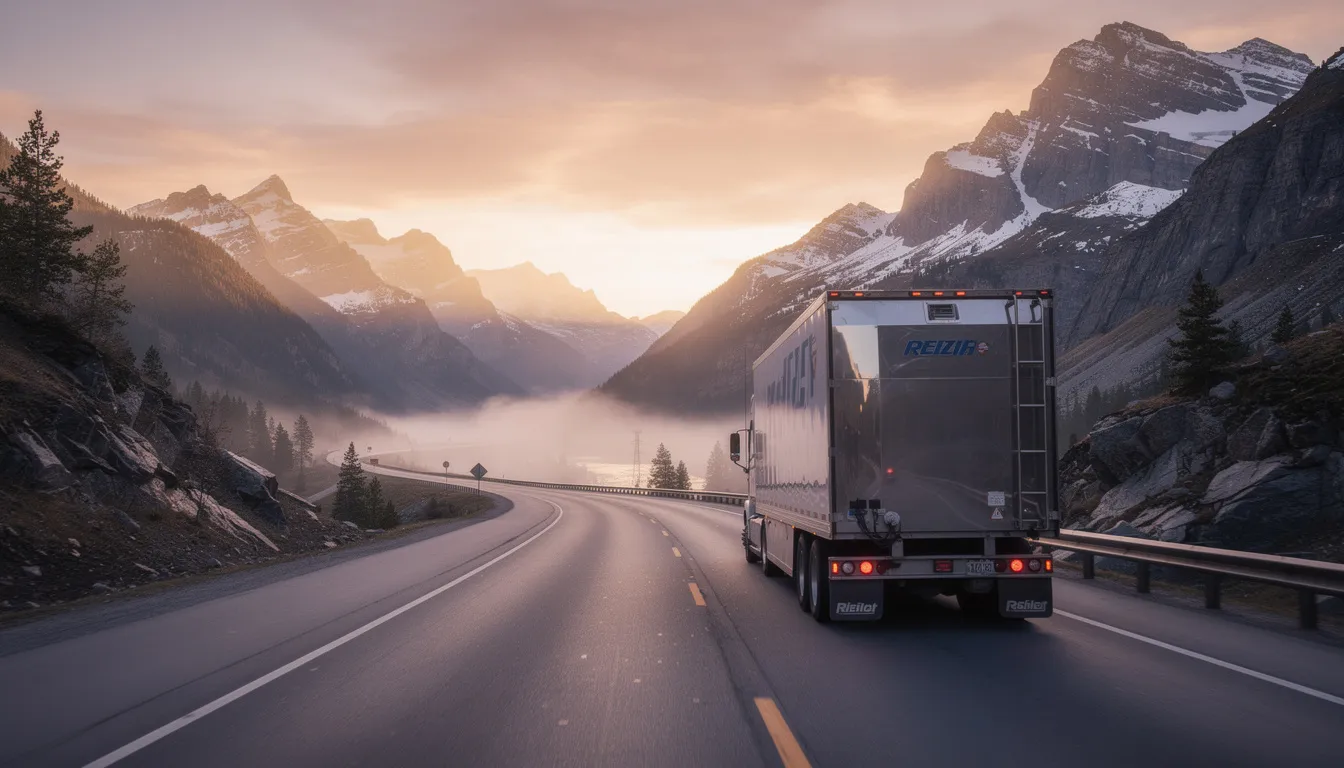
What Is a CDL Class? (A, B & C Explained)
A CDL (commercial driver’s license) is the credential you need to legally operate commercial motor vehicles in the United States. When people talk about a “CDL class,” they’re usually referring to two things: the license classifications (A, B, and C) that determine what vehicles you can drive, and the training courses that prepare you to pass your tests.
Class A CDL: Authorizes you to drive combination vehicles with a gross combination weight rating over 26,001 pounds, where the towed unit exceeds 10,000 pounds. Think tractor-trailers, tanker combos, flatbeds, and doubles. Most Class A programs follow a 160-hour model over about 4 weeks.
Class B CDL: Covers single vehicles over 26,001 pounds, such as straight trucks, dump trucks, cement mixers, garbage trucks, and many buses. These programs typically run 80–120 hours and can be completed faster.
Class C CDL: Applies to smaller vehicles designed to transport 16+ passengers or placarded hazardous materials. Fewer schools offer standalone Class C courses—they’re often add-ons with endorsements like P (Passenger) or S (School Bus).
Most new drivers start with Class A or Class B because these licenses open the door to the highest-paying and most available jobs in the trucking industry.
Types of CDL Classes & Training Programs
CDL training comes in several formats depending on what license or endorsement you’re pursuing and how much time you can commit.
Full Class A Programs: The most comprehensive option, typically 160 hours combining classroom theory, yard practice, and road training. Designed for those wanting the most versatile license.
Class B Programs: Shorter courses of 80–120 hours focused on single-vehicle operation for local and regional jobs.
Upgrade Classes (B to A): For CDL holders who already have a Class B and want to add Class A capabilities. These are shorter since you already have foundational skills.
Endorsement Training: Courses for adding T (Double/Triple Trailers), N (Tank Vehicle), H (Hazardous Materials), P (Passenger), or S (School Bus) to your license.
Many schools offer flexible schedules—weekday, weekend, or evening CDL classes—so you can continue working while you train.
Some providers offer hybrid formats where you complete online ELDT theory and then attend in-person behind-the-wheel sessions to meet FMCSA requirements.
Entry Level Driver Training (ELDT) Requirements
Entry-level driver training (ELDT) is the federal standard that has applied to new CDL applicants since February 7, 2022. If you’re entering the industry for the first time, understanding ELDT is essential.
ELDT is required for first-time Class A and Class B CDL applicants, those upgrading from B to A, and anyone adding P, S, or H endorsements.
The theory portion can be completed online or in a classroom, but it must be completed at a school registered with the FMCSA Training Provider Registry.
Typical ELDT curriculum covers basic vehicle control, safe driving practices, hours-of-service regulations, vehicle systems and inspections, and non-driving duties.
Your school must submit your ELDT completion to the FMCSA portal before you’re eligible to take your CDL skills test at the DMV—this step is non-negotiable.
Behind-the-Wheel (BTW) CDL Classes
BTW, training is where you learn to actually operate a commercial truck. This hands-on experience is split between controlled range practice and real-world road driving.
Range (Yard) Training:
Pre-trip inspections—learning to check every component before you drive
Straight-line backing down a lane between cones
Offset backing into a space to the left or right
Parallel parking (alley dock) into a 12-foot stall
Coupling and uncoupling trailers (Class A)
On-Road Training:
City turns, especially tight right-hand turns
Lane changes and highway merging
Rail crossings and defensive driving tactics
Managing space, speed, and hazards in traffic
Electronic logging device (ELD) operation
A typical day in a BTW CDL class might start with a classroom review, move to 2–3 hours of yard maneuvers, and finish with road training on actual routes. Class A programs often include 40–80 hours of BTW, with premium schools offering 100+ hours for extra practice.
CDL Class A vs CDL Class B: Which Should You Choose?
Choosing between Class A and Class B comes down to your career goals, lifestyle preferences, and how quickly you want to start earning.
Class A is more versatile—holders can operate most Class B vehicles with appropriate endorsements, and this license opens doors to over-the-road (OTR), regional, and high-paying freight jobs.
Class B offers faster training completion and focuses on local work like construction, city delivery, and bus driving, where you’re home every night.
Class A training typically takes 4–8 weeks and costs $4,000–$7,000; Class B programs run 2–6 weeks at $2,500–$5,000.
Many CDL school advisors help students decide by reviewing local job postings, salary ranges, and employer demand for each class.
Who should choose Class A:
Drivers wanting long-haul or regional freight hauling
Those seeking the highest earning potential
Individuals are comfortable being away from home for days at a time
Who should choose Class B:
Drivers wanting to be home every day
Those pursuing construction, municipal, or bus driving careers
Anyone looking for a faster path to employment
Typical Length, Cost & Schedule of CDL Classes
CDL Class | Training Length | Typical Tuition | Schedule Options |
|---|---|---|---|
Class A | 4–8 weeks | $4,000–$7,000 | Full-time weekdays, evenings, weekends |
Class B | 2–6 weeks | $2,500–$5,000 | Full-time or part-time formats |
Full-time day classes typically run Monday–Friday, 8 am–4 pm, immersing students in intensive training.
Part-time and weekend CDL classes allow you to maintain a job while progressing through your program at a slower pace.
Tuition usually includes instruction, use of a truck during training, ELDT certification, and at least one skills test attempt—though specifics vary by school.
Some programs include job placement assistance and resume help as part of the course fee.
CDL Class Requirements & Eligibility
Before you enroll in any CDL training program, you’ll need to meet basic eligibility requirements set by federal standards and your state’s Department of Motor Vehicles.
Age: At least 18 years old for intrastate driving (within your state) and 21 for interstate commerce or hauling hazardous materials.
Valid Driver’s License: You need a current, non-commercial license in good standing—most schools prefer at least one year of driving experience.
Driving Record: A clean enough record without major violations in the past 3 years; DUIs, reckless driving, or license suspensions can disqualify you.
DOT Physical Exam: You must pass a medical examination and receive a Medical Examiner’s Certificate proving you meet vision (20/40), hearing, and health standards.
Drug Screening: Random and pre-employment drug tests are standard in this industry.
State-Specific Documents: Proof of residency, Social Security number, birth certificate, and DMV fees (typically $10–$50 for a permit).
How to Get Your Commercial Learner’s Permit (CLP)
Most students need to obtain a CDL permit (CLP) before they can begin behind-the-wheel training. Here’s how the process works:
Study the CDL Manual: Your state’s DMV provides a free CDL handbook covering all the material on the written permit test.
Complete ELDT Theory: Finish the required theory training through a registered provider.
Pass Knowledge Tests at the DMV: For Class A, you’ll take the General Knowledge exam plus the Air Brakes test and Combination Vehicles test. Class B requires General Knowledge and relevant endorsement exams.
Pay Permit Fees: Typically $10–$50, depending on your state.
Hold Your CLP: Federal rules require you to hold your permit for at least 14 days before taking the skills test.
Many schools offer CLP prep classes and CDL practice tests to help students pass on their first attempt—some report 80–90% first-try pass rates with proper preparation.
What You’ll Learn in a CDL Class
A quality CDL training program covers far more than just driving a truck. You’ll develop the full range of skills needed to succeed as a professional driver and build confidence behind the wheel.
Vehicle Inspections: Learn the complete pre-trip inspection process, which accounts for 15–20% of your skills test score.
Basic Control & Shifting: Master clutch operation, gear patterns, and smooth shifting techniques for manual transmissions (still common in many fleets).
Safety & Defensive Driving: Understand space management, speed control, and hazard recognition to protect yourself and others on the road.
Regulatory Knowledge: Learn hours-of-service rules (11-hour driving limits, 14-hour duty windows), ELD logging, weight limits, and roadside inspection procedures.
Real-World Operations: Trip planning, basic freight securement, communication with dispatch, and professional conduct at shippers and terminals.
Specific Maneuvers: Alley dock backing, offset backing (left and right), and executing tight city turns—skills you’ll use throughout your career.
Safety, Compliance & Professionalism
Modern CDL classes put significant emphasis on preparing you for a career, not just passing a test.
Safety culture is woven throughout training: speed management, maintaining safe following distances, and scanning for hazards become second nature.
You’ll learn FMCSA regulations that govern your daily life as a commercial driver—hours-of-service limits, mandatory rest breaks, and proper logbook or ELD entries.
Soft skills matter too: how to communicate professionally with shippers, handle customer service situations, and represent yourself and your employer well at every stop.
Strong safety performance protects your driving record, keeps your CSA scores low, and directly improves your long-term earning potential with employers who value safe drivers.
How to Choose the Right CDL Class & School
Not all CDL schools are equal. Taking time to evaluate your options can mean the difference between a smooth path to your license and a frustrating, expensive experience.
Verify FMCSA Registration: Confirm the school is listed in the FMCSA Training Provider Registry—this is required for your ELDT certification to be valid.
Check Student-to-Truck Ratios: A 3:1 ratio is ideal; more students per truck means less actual drive time for you.
Compare BTW Hours: Look for programs offering 40+ hours of behind-the-wheel training. More seat time builds better skills.
Evaluate Instructor Experience: Ask about instructor credentials, years of teaching, and driving backgrounds.
Review Pass and Placement Rates: Schools with 90%+ pass rates and strong employer connections set graduates up for success.
Visit the Campus: See the equipment condition, meet instructors, and ask how long the school has been operating (10+ years suggests stability).
Ask About Career Services: The best programs help with resumes, interview prep, and connections to local and national carriers looking for CDL holders.
Financing Your CDL Class
CDL training is an investment, but there are multiple ways to make it affordable.
Out-of-Pocket Payment: Pay tuition directly, often with the option to set up a payment plan ($500–$1,000 down, then monthly installments).
WIOA/Workforce Grants: If you qualify as low-income or unemployed, Workforce Innovation and Opportunity Act funding can cover 50–100% of tuition through your local workforce office.
Veterans Benefits: Approved programs may accept GI Bill benefits that cover tuition and provide living stipends for eligible service members and veterans.
Employer-Sponsored Programs: Many carriers reimburse tuition after you commit to working for them for 6–12 months—some even pay upfront.
State Training Funds: Check with your state’s department of labor for additional training grants or subsidies.
Scholarships: Some schools and industry organizations offer scholarships that can reduce your effective cost to under $2,000.
Always ask the driving academy about financing options before submitting your enrollment—you may have more resources available than you realize.
CDL Class FAQs & Next Steps
How long does a CDL class take? Most Class A programs run 4–8 weeks full-time; Class B programs take 2–6 weeks. Part-time schedules extend these timelines.
Can I work while in school? Yes, many schools offer evening or weekend CDL classes designed for working adults.
Do I need experience? No. Approximately 70% of enrollees have never driven anything larger than a car. CDL classes are designed for beginners.
What if I fail the test? You can retake the skills test after additional training. Most schools charge $100–$300 for retake prep and another test attempt.
What happens after graduation? You’ll schedule your CDL skills test, upgrade your CLP to a full commercial driver’s license CDL, and begin onboarding with an employer. Many graduates earn around $55,000 in their first year, with pay increasing as you gain experience and add miles.