
OTR trucking is a long-haul lifestyle that takes drivers across states, delivering essential goods while living mostly on the road. It’s a career choice that offers freedom, responsibility, and a front-row seat to the country’s changing landscapes. But it’s not just about driving. It’s a way of life.
If you’re exploring commercial driving as a career, or preparing to earn your CDL, you might wonder what an OTR driver’s day actually looks like. Here’s a realistic picture of what to expect.
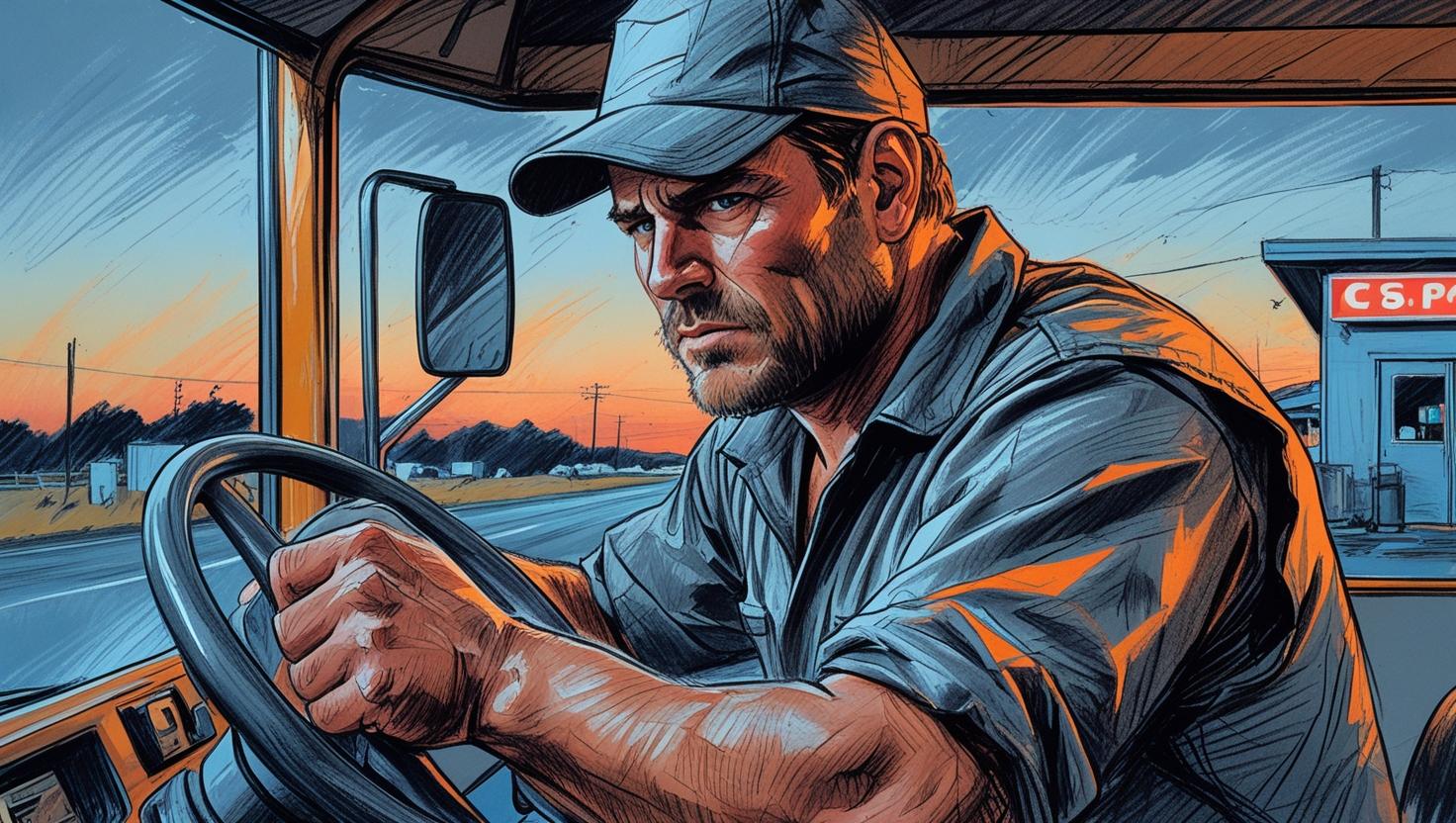
What Is OTR Trucking?
OTR stands for Over-the-Road trucking. An OTR driver typically hauls freight across long distances, often crossing multiple states or regions in a single trip. Unlike local or regional drivers who return home daily or weekly, OTR drivers may be out for several weeks at a time.
Over-the-road trucking is built around longer hauls, anywhere from 1,000 to 3,000 miles per trip. This means a lot of time behind the wheel and living out of your truck. Common freight includes consumer goods, raw materials, industrial supplies, and refrigerated goods.
It’s not uncommon for OTR drivers to cover coast-to-coast routes, delivering to warehouses, ports, and distribution centers across the country.
OTR Driver Daily Routine: Morning To Night
A typical day for an OTR driver isn’t dictated by a 9-to-5 schedule. It depends on delivery times, drive hours, weather, traffic, and even parking availability. Still, most days follow a rhythm.
Morning
- Wake-up usually happens at a truck stop, rest area, or dedicated parking lot.
- The pre-trip inspection begins before anything else. This includes checking brakes, lights, tires, fluids, and load security.
- Next, drivers review their delivery schedule and route, making note of deadlines, traffic alerts, and fuel stops.
Midday
- The bulk of the day is spent on the highway, which usually means driving six to eight hours, depending on how things go.
- Federal regulations mandate breaks, so drivers stop periodically to rest, stretch, or grab a meal.
- Meals may be from a truck stop diner, packed from home, or quick snacks eaten during breaks.
Evening
- By late afternoon or early evening, it’s time to stop for the day, or make a delivery if it’s scheduled.
- Drivers log their hours into the Electronic Logging Device (ELD), noting all stops, breaks, and drive time.
- Nights are spent in the sleeper cab or occasionally in a rest stop lounge.
Pro Tip: Plan ahead. Many experienced OTR drivers use mobile apps to locate truck parking, check weigh station statuses, or compare fuel prices.
How Much Driving Does An OTR Truck Driver Do?
OTR drivers usually drive 8 to 11 hours per day for multi-day runs, depending on how they manage their Hours of Service (HOS). Federal law limits driving to 11 hours after 10 consecutive hours off-duty.
In an average week, drivers cover 2,000 to 3,000+ miles. This requires strong focus, consistent routines, and good time management.
Driving long hours isn’t just physically demanding; it can also be mentally draining. Weather, road conditions, tight schedules, and delivery windows all demand alertness and flexibility.
Driving Type | Daily Drive Time | Home Time | Route Length |
OTR Trucking | 8 to 11 hours | Every few weeks | Cross-country |
Regional Trucking | 6 to 8 hours | Weekly | Multi-state |
Local Trucking | 4 to 6 hours | Daily | Single city/region |
Life On The Road: Where Do OTR Drivers Eat, Sleep & Relax?
Living on the road means the truck becomes not just your vehicle but your home, office, and resting place.
Sleeper cabs are built for life on the move. They include:
- A bed (often with a memory foam mattress)
- Small fridge or cooler
- Outlets for charging devices
- Storage for clothes, food, and supplies
Eating options vary. Many drivers keep:
- Prepped meals stored in a cooler
- Microwaveable dishes
- Portable cookers for hot meals
Rest areas and truck stops often have showers, lounges, laundry, and food courts. Drivers spend downtime catching up on sleep, watching a movie, or calling home.
What’s Inside an OTR Driver’s Cab?
- Pillow and bedding
- Microwave or mini fridge
- Toiletries and wet wipes
- Resistance bands or a yoga mat
- Books, earbuds, or a mobile hotspot
Common Challenges Faced By OTR Drivers
This career offers freedom, but it’s not without obstacles. Here are a few common struggles:
- Loneliness: Weeks away from family and friends can feel isolating.
- Unpredictable schedules: Weather, traffic, or delivery changes can cause delays and stress.
- Finding safe overnight parking: Not all rest stops or lots are secure or well-lit.
- Staying healthy: Long hours in a seated position can affect circulation, weight, and back health.
- Mental fatigue: Constant vigilance while driving can be exhausting.
Pro Tip: Stay connected. Many OTR drivers use messaging apps, social media, and video calls to keep in touch with loved ones.
What Makes OTR Trucking Rewarding?
Despite the demands, many OTR drivers enjoy their careers for several reasons:
- Solid income: Most long-haul drivers are paid by the mile, and top earners can bring in over $80,000 annually.
- Reliable demand: Goods always need to move. Job security is strong.
- Independence: No desk, no boss hovering. You manage your own day.
- Exploration: Every trip is different. You’ll see parts of the country few others do.
- Headspace: Long drives give room for reflection and listening to music or podcasts.
Is OTR Trucking Right For You?
OTR trucking appeals to certain personalities. It’s a good fit if:
- You enjoy quiet, independent work.
- You’re comfortable being away from home for extended periods.
- You want a stable, in-demand career.
- You’re good at routine and self-management.
It’s not ideal for someone who needs daily social interaction or a strict work-life separation.
Conclusion: The Realities Of OTR Trucking
The life of an OTR driver is structured, challenging, and full of movement. A typical day includes early inspections, long stretches of driving, quick rest stops, and living out of a cab. You’ll face traffic jams, tough weather, and loneliness, but you’ll also find freedom, consistent pay, and satisfaction in the work.
Understanding what to expect helps new drivers enter this career with confidence. Knowing how OTR drivers live and work can shape your decision on whether it’s the right path for you.
If you’re considering this path, take a few CDL practice tests to get familiar with what lies ahead. It’s a simple way to prepare for a career that moves the country forward.