
Following the right truck driving safety tips can make the difference between a smooth haul and a dangerous situation, especially at night or in bad weather.
New drivers often underestimate the risks that come with poor visibility, slick roads, fatigue, and long hours behind the wheel. Even experienced drivers can run into serious problems if they let their guard down. Staying safe is about reacting well and starting with planning, awareness, and preparation before you even leave the lot.
This guide is designed for new CDL holders, aspiring truckers, and current drivers looking to sharpen their safety skills. Whether it’s dense fog on a mountain road or navigating a thunderstorm at midnight, these tips are built for the real conditions truck drivers face every day.
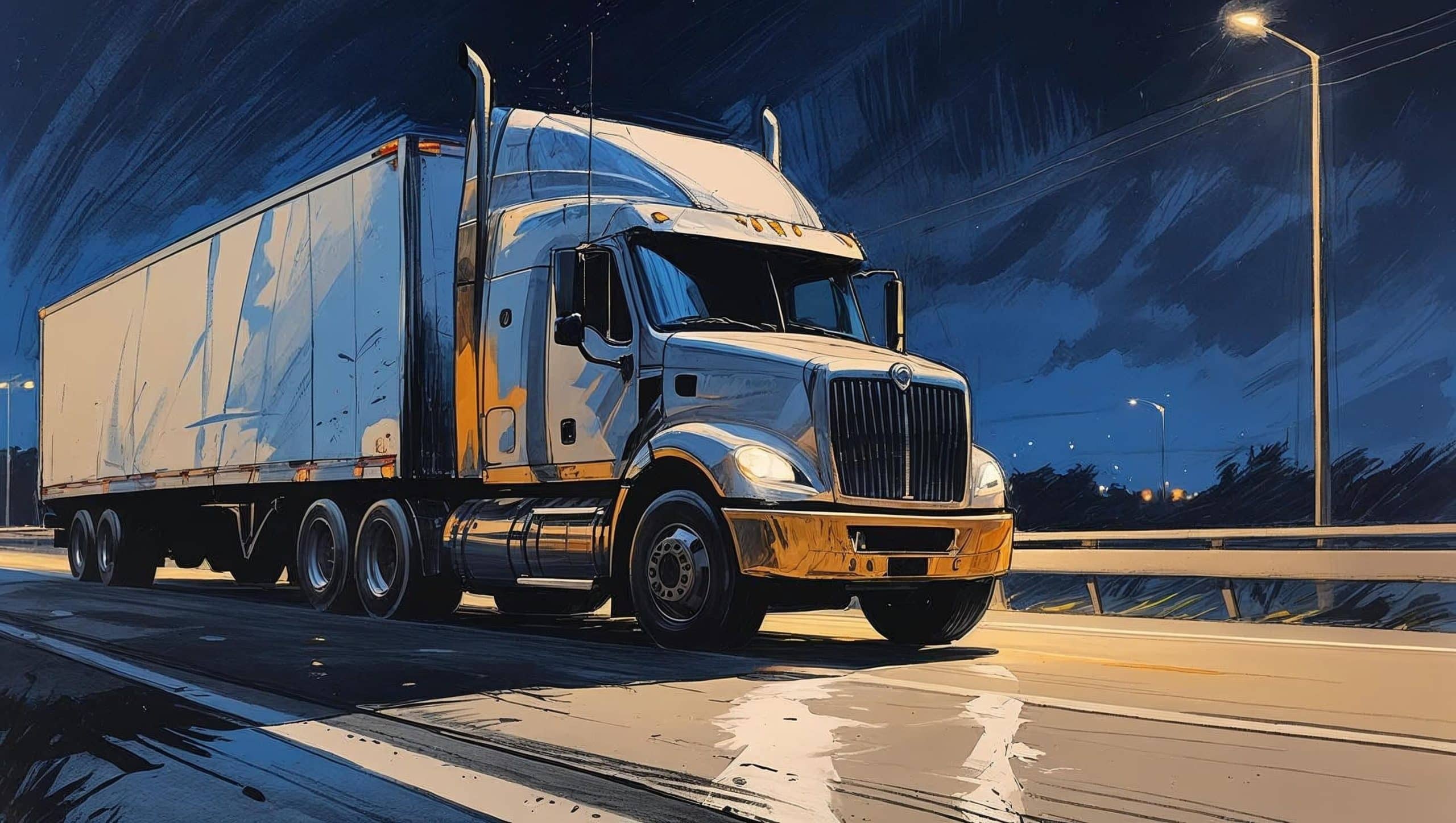
Why Truck Driving At Night Is More Risky
There’s no way around it; truck driving at night comes with more hazards than driving in daylight.
- Reduced visibility makes it harder to see road signs, lane markers, and obstacles.
- Fatigue sets in faster when your body’s natural rhythm is telling you it’s time to rest.
- Fewer services are open, so finding food, fuel, or assistance gets harder.
- Wildlife crossings are more common in rural areas after dark.
- Other drivers struggle to see your trailer, especially in poorly lit areas.
Quick Stat:
According to FMCSA, a higher rate of fatigue-related crashes occurs between midnight and 6 a.m.
Truck Driving Safety Tips For Night Driving
Being prepared and alert during overnight hours is key. These tips can help lower your risk while improving focus and reaction time:
- Use high beams when possible, but always dim them for oncoming traffic or when following another vehicle.
- Keep your dashboard lights low to reduce interior glare that strains your eyes.
- Clean all mirrors, headlights, and windows before every night shift.
- Drive slower than during the day, giving yourself more space to react.
- Scan shoulders and ditches for animals, especially in wooded or rural areas.
- Avoid staring at oncoming headlights. Look slightly to the right to avoid temporary blindness.
Night Gear Checklist
- Anti-glare glasses
- Clean windshield (inside and out)
- Fully charged flashlight
- Reflective triangles or flares
- Well-rested mind and body
Safety Driving Tips For Truck Drivers In Bad Weather
Poor weather demands sharper attention and a slower pace. Whether it’s heavy rain or icy bridges, bad conditions change how your truck handles. These safety driving tips for truck drivers are especially useful when the weather turns on you:
- Keep some extra following distance. You’ll need more time to stop.
- Don’t use cruise control on slick roads; it reduces your ability to respond quickly.
- Use hazard lights only when stopped or driving well below speed limits (as local laws require).
- Avoid sudden movements with the wheel, accelerator, or brakes.
- Carry chains when crossing mountain regions where they may be required.
- Check the weather and road conditions before starting your shift.
Truck Driving Safety Tips: Weather Risk vs. Driver Response
Weather | Risk | Smart Response |
Heavy Rain | Hydroplaning | Slow down, avoid sharp turns |
Fog | Low visibility | Use fog lights, keep a steady pace |
Snow/Ice | Skidding | Drive gently, increase following space |
High Winds | Trailer sway | Keep both hands on the wheel |
How To Stay Alert And Rested For Safer Driving | Truck Driving Safety Tips
Tired drivers make slower decisions. That’s especially risky when you’re hauling 40 tons through rain, fog, or dark.
- Never skip sleep before an overnight or long-haul trip.
- Use caffeine wisely. It is helpful early in the shift, but avoid it near the end.
- Take short stretch breaks at rest stops to reset your energy.
- Keep your cab cool and well-ventilated. Warm, stuffy cabs lead to drowsiness.
- Eat light and often, avoiding heavy meals that can slow your body down.
Alertness Boosters
- 20-minute power naps (not too long!)
- Cold water splashes during rest breaks
- Talk radio or engaging podcasts, not music that puts you to sleep
Equipment & Prep: What Every Truck Driver Should Have
Gear and planning go hand in hand. The more you prepare before a night or stormy shift, the better your chances of avoiding an emergency. Here are some items that every truck driver should make certain that they carry when traveling:
Basic safety items:
- Emergency flares or triangles
- Non-perishable snacks and water
- Thermal blanket
- First-aid kit
- Charged phone or backup radio
- Extra gloves, reflective vest, and flashlight
Bad Weather Prep for Truckers
- Check tire pressure and tread
- Clean headlights and reflectors
- Test wipers and fill washer fluid
- Confirm your route has rest stops and fuel stations
These simple checks can mean the difference between getting stuck and getting home.
Know When to Shut It Down
Driving during dangerous storms or in near-zero visibility? It’s okay to park. In fact, it’s the right decision. No load is worth risking your safety or the safety of others on the road.
Many experienced drivers follow the saying: “If you can’t see, don’t drive.” It’s simple and it’s smart. Know your limits. Watch the conditions. Trust your instincts. If your gut says to pull over, listen.
Weather can change quickly, and pushing through it often leads to bigger delays, or worse. It’s always better to be late than never arrive. So, prioritize safety, even if dispatch or delivery times are pressing.
Conclusion: Safety First, Always
No matter how much experience you have, conditions like night driving, rainstorms, fog, and snow deserve extra respect. These truck driving safety tips are meant to help you prepare, stay alert, and stay safe, because the road can change fast, and being ready makes all the difference.
Practice is key. Before you take on solo overnight hauls or winter runs through mountain passes, test your skills in low-risk environments. Use every trip as an opportunity to build experience and confidence. The more time you spend practicing good habits, the more naturally they’ll come when it counts.
Do you want to build your safety knowledge as a truck driver?
Explore CDLKnowledge.com for free CDL practice tests, study tools, and real-world tips to help you handle unpredictable conditions before your first solo haul.
Stay safe. Stay smart. And stay ready for the road ahead.