
Commercial truck drivers keep the economy and supply chains moving. As online commerce, freight shipping, and logistics continue to expand, the demand for qualified CDL drivers grows with it. That’s good news if you consider stepping into the driver’s seat.
Of course, jumping behind the wheel of a big rig doesn’t happen overnight. It takes time, training, and the right steps in the right order. That includes classroom learning, hands-on driving, permit testing, and passing the final road test. It’s all part of preparing for a real job with serious responsibilities.
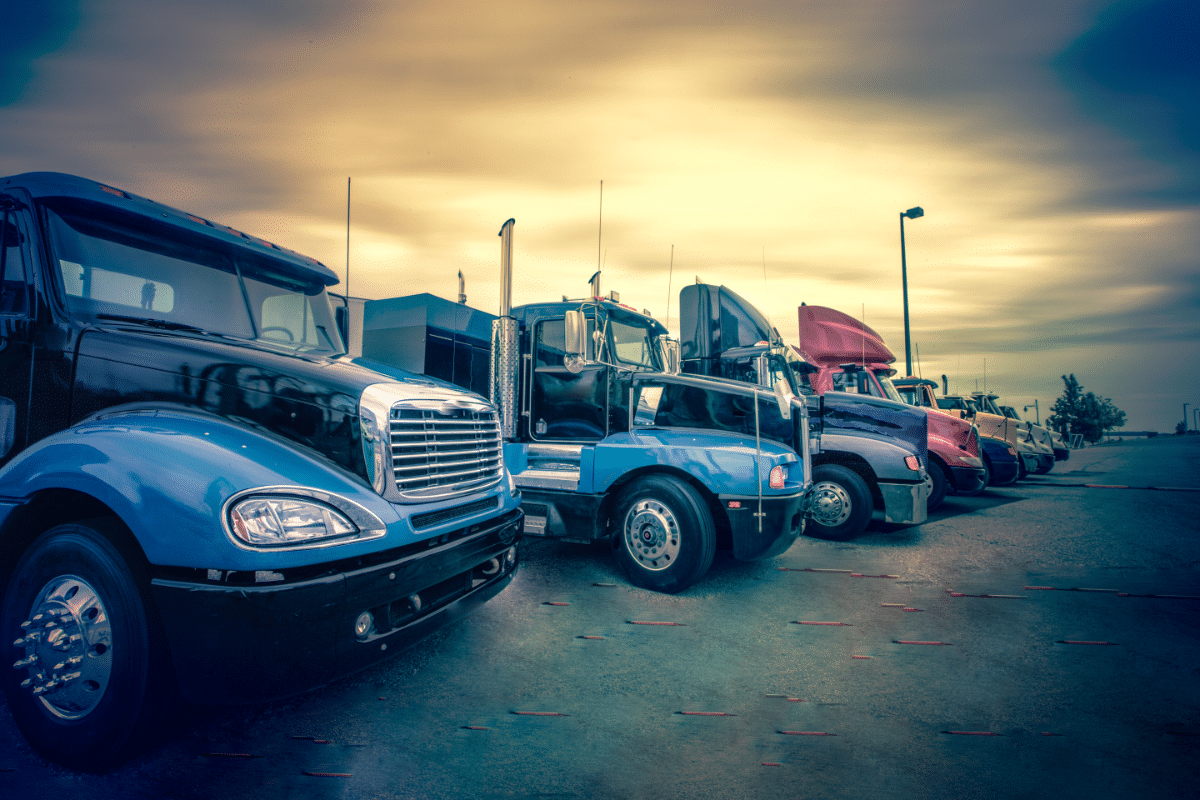
The full CDL training duration depends on a few things, like whether you train full-time or part-time, which state you live in, and the type of license you’re going for. For example, getting a Class 1 license to drive big rigs usually takes longer than training for smaller commercial vehicles.
If you’re serious about CDL driver training, knowing what to expect can help you start with more confidence and fewer surprises.
What Is CDL Training and Why Is It Required?
Driving a commercial truck takes more than a regular license and a little confidence. It takes skill, preparation, and formal training. That is where CDL driver training comes in.
CDL stands for Commercial Driver’s License. Anyone who plans to drive large trucks or combination vehicles must complete a training program and pass specific exams. If you want to earn a Class 1 license, which allows you to drive tractor-trailers and other heavy-duty vehicles, proper training is the first step.
A good program covers both classroom learning and hands-on driving. You learn to check your vehicle, follow safety rules, understand basic mechanics, and handle a truck in different situations. You also prepare for the written and road tests required by your state.
Federal rules now require most new drivers to complete Entry-Level Driver Training (ELDT) through a registered provider. These rules are meant to make sure every driver has the same foundation before getting on the road.
No matter which license you are working toward, training is where it all begins. Understanding how it works helps you make better decisions about your time and future.
Key Factors That Affect CDL Training Duration
Some people finish CDL driver training in just a few weeks. Others need a few months to get everything done. It comes down to a mix of personal choices and outside requirements.
One of the biggest factors is the type of license you are working toward. A Class 1 license, which lets you drive large combination trucks, usually takes longer to complete than a basic Class B or C license. The vehicles are more complex, and the skills you need take more time to develop.
The training format also plays a role. Full-time programs tend to move faster, with students often finishing in four to six weeks. Part-time students who train on weekends or evenings usually take longer.
Your state may also have additional requirements. Some states ask for more hours behind the wheel or extra paperwork before scheduling the road test.
Schools follow different curricula, too. Some focus heavily on in-person training. Others offer online theory, as long as they meet the current ELDT rules. Your availability and how quickly you learn will also affect how long it takes.
Now that you know what affects the schedule, let’s break down a typical CDL training duration timeline.
Typical CDL Training Timeline Breakdown
Most people want to know how long it takes to go from zero experience to holding a commercial license. There’s no exact number that fits everyone, but once you understand the main stages, the full CDL training duration starts to make a lot more sense.
Step 1: Getting Your CDL Learner’s Permit (2 to 4 weeks)
You’ll need a commercial learner’s permit before you can start driving with an instructor. This means studying your state’s CDL manual and passing the written knowledge test. Many students take a few weeks to prepare, especially when balancing work or family life. You’ll also need a medical exam and a clean driving record.
Step 2: Behind-the-Wheel CDL Driver Training (4 to 8 weeks)
This is where most of the learning happens. You’ll work with instructors, practice on closed lots, and eventually drive on the road. Full-time students often complete this stage in about a month. If you train part-time, it can stretch to two months or longer. Getting a Class 1 license usually means more hours behind the wheel, since you’ll learn how to handle larger combination vehicles.
Step 3: Road Test and Licensing (1 week or more)
Once your instructor says you’re ready, you’ll schedule your CDL road test. This includes vehicle inspection, basic control skills, and a driving test. The wait time for an appointment depends on your state. After passing, you can apply for your CDL.
So what’s the average? Most people finish training in about 6 to 10 weeks. Some take longer, and that’s okay. The important thing is to complete the training properly and feel confident before testing.
Fast-Track vs. Standard CDL Programs
CDL schools follow different formats, and the program you choose will affect your total CDL training duration. Some people need to get licensed fast, while others prefer a slower pace that fits better with work or family life.
Fast-track CDL programs are built for speed. Most take between 3 and 6 weeks, and some full-time courses can be completed in as little as 3 to 4 weeks. These are usually intensive programs with long daily hours, fewer breaks, and a clear goal: get you licensed and job-ready as quickly as possible.
Some schools offer one-on-one truck time, which helps students learn faster. You’ll still meet all Entry-Level Driver Training (ELDT) requirements, and some programs even offer job placement once you finish.
Standard CDL programs usually take 4 to 8 weeks or more, depending on how often classes meet. Many part-time or community college options stretch across several months. These programs move steadily, which can be a better fit for people who need to balance other responsibilities. Some schools include broader training options, like endorsements or even college credits.
Both types of CDL driver training cover the same core material. If you’re working toward a Class 1 license, make sure the program offers enough hours behind the wheel.
Final Thoughts
Becoming a CDL driver takes preparation and commitment. It involves training, testing, and plenty of hands-on practice behind the wheel. Skip a step, and you might find yourself stuck or slowing down your progress.
Your total CDL training duration depends on your schedule, program type, and the license you want. Planning helps, especially if you’re aiming for a Class 1 license.
If you’re ready to start smart, try the free CDL practice test and study guides to get your learner’s permit. It’s a helpful first step before you dive into formal training.
You’re taking real action toward a career behind the wheel. Having a plan, focusing on key milestones, and using trusted tools from CDL Knowledge can help you move forward with confidence.