
Choosing whether to take your CDL license test in a manual or automatic truck may seem like a minor detail, especially when your primary goal is simply to pass and start driving commercially. But this decision carries long-term consequences, impacting your job opportunities, training time, test strategy, and even the type of vehicles you’re legally allowed to drive.
Many learners underestimate the significance of this choice. It is not just about transmission preference. It is about understanding what your license allows, what employers expect, and how the transmission type affects your preparation through the CDL practice test.
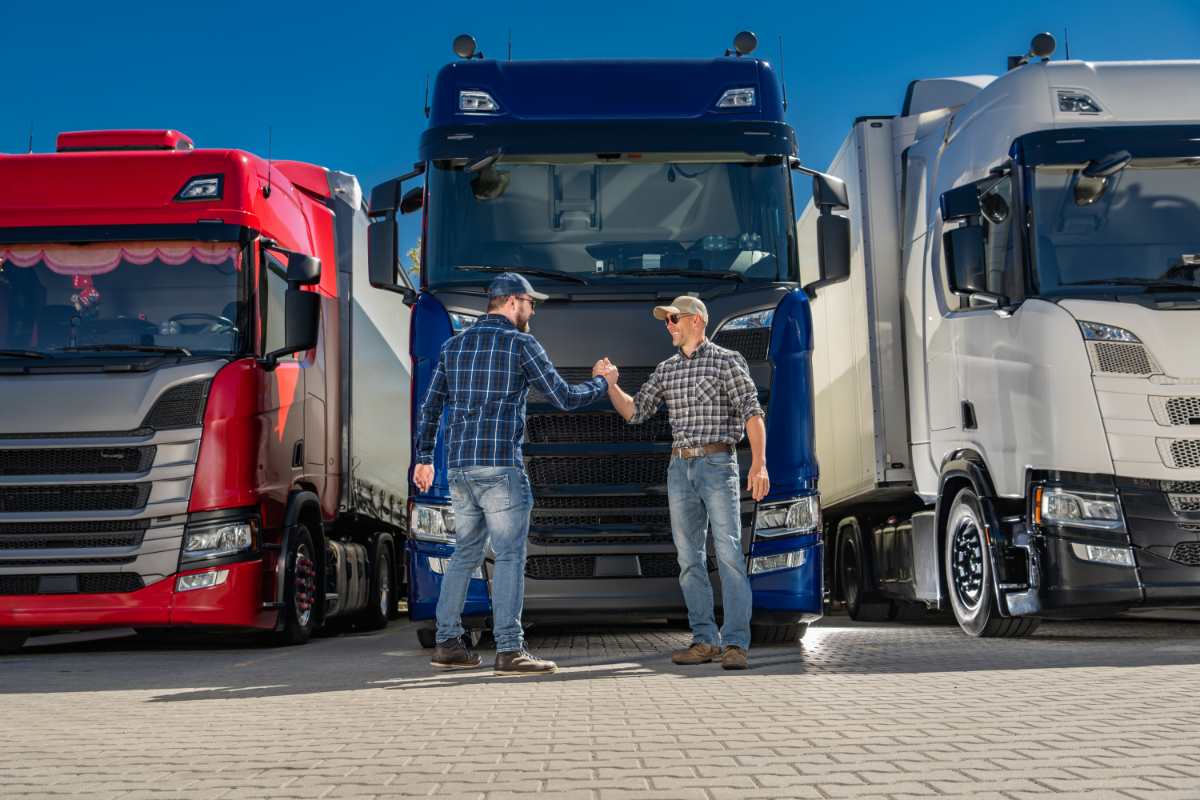
This guide is designed for informed readers who want to make a data-driven, career-smart decision between manual and automatic transmission during the CDL testing process.
Manual vs. Automatic: How Transmission Type Affects the CDL License Test
Choosing the right transmission for your CDL license test can shape your training path, licensing outcome, and future job flexibility.
The E Restriction: How Automatic Testing Narrows Your CDL Privileges
When you take your CDL license test in an automatic truck, most jurisdictions will apply what is known as the E restriction to your license. This restriction legally limits you to operating only automatic transmission commercial vehicles.
On the other hand, if you test in a manual truck, your CDL qualifies you to drive both manual and automatic commercial vehicles. No restriction is applied. This broader operational flexibility may not seem relevant early in your career, but it becomes critical if you want to apply to companies or industries that still use manual fleets.
For drivers who test in an automatic and later need to operate a manual, the only path forward is to retake and pass the road test using a manual vehicle.
Why the CDL Test is More Technically Challenging in a Manual Truck
Manual testing introduces a set of physical and mental tasks that automatic drivers do not have to master. These include gear sequencing, double clutching, throttle-blip downshifting, and precise clutch release timing, especially on inclines, turns, or during slow maneuvering.
During a manual CDL license test, you will be evaluated on your ability to:
- Shift smoothly without gear grinding
- Maintain control during upshifts and downshifts
- Avoid rolling back on hills
- Coordinate braking and downshifting under load
- Recover from a missed gear without panic
These skills can’t be rushed through in a two-week training program. They require consistent CDL mock test practice in real-world scenarios to become second nature.
With an automatic, these concerns disappear. You can focus fully on lane discipline, blind spots, mirror checks, and safe vehicle positioning.
CDL Mock Test Preparation: Manual vs. Automatic
The structure of your CDL mock test should reflect the transmission you plan to test in. For manual candidates, mock tests should integrate hands-on sessions that build shifting muscle memory and timing. Advanced mock test routines should simulate urban intersections, uphill turns, and on-ramp accelerations, all while requiring clean, efficient gear transitions.
Automatic transmission mock tests focus more on cognitive factors, like recognizing hazards, responding to traffic flow, and demonstrating spatial control during maneuvers such as straight-line backing and offset alley docking.
For both paths, a CDL mock test should not only track accuracy but also evaluate decision-making speed, confidence in execution, and correction patterns. Use performance data from mock test sessions to identify recurring errors. If you consistently make mistakes while shifting or handling a clutch, you may not be test-ready in a manual.
Automatic vs. Manual CDL License: Long-Term Career Considerations
The industry is changing, but not evenly. Many national fleets in North America have fully transitioned to automatic transmissions. These fleets cite cost savings, lower fuel consumption, and shorter onboarding timelines as primary drivers. New drivers with an automatic CDL restriction can still access these employers with no disadvantage.
However, regional fleets, specialty operators, and companies in industries such as flatbed transport, bulk hauling, forestry, and agriculture often continue using manual trucks. Owner-operators and smaller contractors are less likely to upgrade fleets to automatic due to the cost. In these cases, a CDL restricted to automatic vehicles can limit job opportunities or require retraining and retesting.
Before finalizing your decision, it is recommended that you research employers in your target region. Job listings that mention “manual required” or “manual preferred” should influence your decision toward testing in a manual. Conversely, if you see consistent references to newer automatic fleets, it may be more practical to test in one.
Pass Rate Trends and Test-Day Risk
Pass rates on the CDL license test are typically higher among candidates testing in automatic trucks. The reason is not that the test is easier, but that fewer technical variables can cause errors.
In manual tests, candidates often lose points for:
- Rolling backward on hills
- Grinding gears during acceleration
- Incomplete downshifts before turns
- Overuse or underuse of the clutch
- Failing to recover smoothly from a missed gear
Each of these can result in automatic failure depending on the examiner and location. This additional risk is worth considering if you are working with a tight timeline or limited budget for retesting.
A high-performing CDL mock test score in a manual should include evidence of consistent shifting performance under varying speeds and terrain conditions, not just basic operation in low-risk environments.
Time and Cost Implications
Manual training generally takes longer and costs more. It involves more hours behind the wheel and higher instructional overhead. You may need to book additional CDL mock test sessions to master clutch techniques or correct shifting errors.
Automatic CDL courses are often shorter, more affordable, and have a quicker path to test-readiness. This makes automatic testing attractive for candidates who are eager to enter the workforce as quickly as possible, especially in markets where the E restriction does not limit job eligibility.
However, a one-time investment in manual training may eliminate the need for additional testing in the future, if your job preferences shift later in your career.
Future-Proofing Your CDL
While the market is moving toward automatic fleets, the pace of change is uneven. Manual trucks remain relevant in the vocational, construction, and specialty freight sectors.
If you envision a long career with varied driving roles, taking your CDL license test in a manual truck ensures you are not restricted in the future. If your goal is immediate employment with a known fleet that uses only automatics, then testing in an automatic truck is more efficient.
Your CDL mock test results will give you insight into which path suits your current skills and learning curve. Use them to make a decision that matches your long-term goals, not just your short-term availability.
Final Thoughts: Making the Smart Decision for Your CDL License Test
There is no universal best choice when it comes to selecting a manual or automatic truck for your CDL license test. The right decision depends on your personal goals, technical readiness, job market preferences, and available training resources.
If you value broader job access and are willing to invest more time in hands-on training, manual testing provides unrestricted driving rights. If you prioritize faster entry into a commercial fleet with limited test-day stress, automatic testing is a logical path.
Let your CDL mock test scores guide your choice. They are the most accurate reflection of your operational readiness. With the right approach, either path can lead to a successful and sustainable driving career.