
Creating a truck driver expense list can be the difference between making money and losing it while out on the road.
Even experienced drivers can fall into the trap of overspending, primarily when it’s split across dozens of fuel stops, snacks, toll booths, and last-minute repairs. Trucking can be a well-paying career, but your take-home income depends on how well you manage your expenses.
For new CDL holders or aspiring truckers, this guide lays out what to expect in terms of costs, how to plan ahead, and practical ways to keep more of your hard-earned money in your pocket.
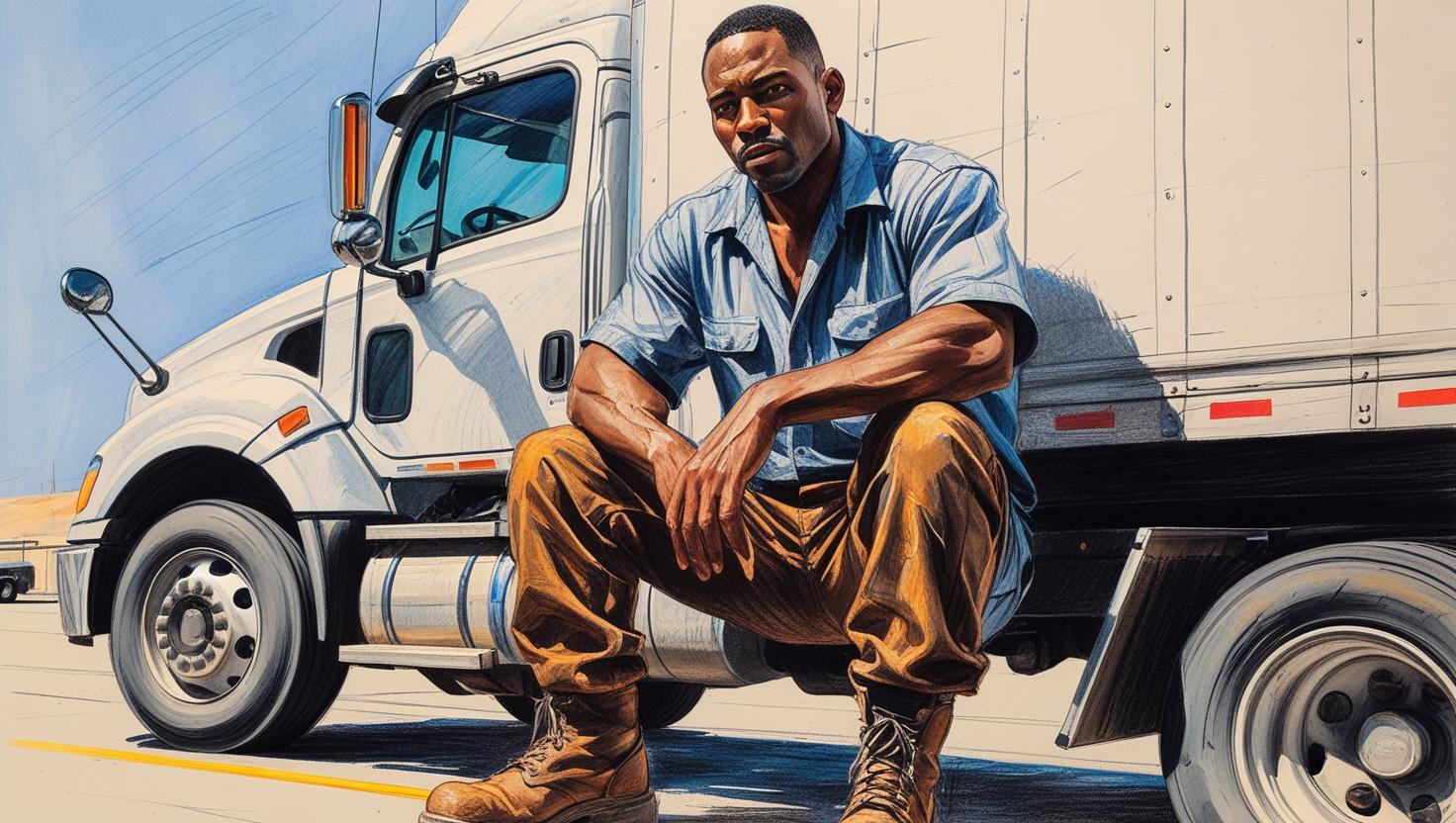
Truck Driver Expense List: What Costs Should You Expect?
Every mile driven comes with a price tag. Knowing what those costs are and how they add up is the first step to controlling your budget.
Here are the most common truck driver expenses you should plan for:
- Fuel (for owner-operators): This is often the biggest weekly cost. Fuel prices change by region and can swing your weekly spending dramatically.
- Food and snacks: Road meals add up fast. Even quick bites at gas stations can add up to $30 a day.
- Showers and parking: Many truck stops charge for showers, overnight parking, or both.
- Truck maintenance and repairs: Oil changes, tire replacements, and roadside repairs are routine costs that matter.
- Toll fees: Depending on your routes, tolls can become a regular cost.
- Insurance: Cosnider health insurance, truck insurance, and cargo insurance. Some companies cover this, but owner-operators need to plan for it.
- Personal hygiene and supplies: Toothpaste, razors, cleaning wipes, and detergent are all essential on the road.
- Entertainment: Streaming services, mobile games, or data plans to stay connected.
- Unexpected expenses: Flat tires, delays, lost items, emergency lodging.
Sample Weekly Truck Driver Expense List
Category | Estimated Weekly Cost |
Meals | $100 to 150 |
Showers & Parking | $20 to 40 |
Entertainment | $10 to 30 |
Maintenance Fund | $50 |
Misc. | $25 to 50 |
Total | $200 to 320 |
Even as a company driver, you’ll likely see many of these expenses personally. For owner-operators, the totals are even higher.
Why Are Trucks So Expensive?
If you’re thinking about becoming an owner-operator, you’ve probably asked yourself: why are trucks so expensive?
A new semi-truck can cost anywhere between $80,000 and $200,000, depending on the model, features, and specs. Used trucks may run cheaper, but still require a hefty down payment and regular maintenance.
Besides the purchase price, consider:
- Fuel economy: Some rigs are fuel guzzlers; every mile impacts your bottom line.
- Repairs: A single transmission issue can cost thousands.
- Taxes, permits, and registration: These vary by state and are often annual fees.
Pro Tip: New drivers often lease or drive company-owned trucks to avoid upfront ownership costs. It’s a great way to get experience before making the leap to owning your own rig.
Truck Driver Expense List: How To Stick To A Budget On The Road
Budgeting on the road takes a little discipline, but it’s not complicated. Start with the basics:
- Track your expenses: Use a simple spreadsheet or free budgeting app. Write down every purchase for a week, and you’ll be surprised to see where your money goes.
- Separate your costs: Break expenses into “essential” and “non-essential.” Fuel and food are essential. Daily take-out coffee? Probably not.
- Use digital tools: Apps like Mint, Trucker Tools, or even your bank’s app can help track spending.
- Save for taxes: If you’re an independent contractor, set aside money every week. A good rule: 20-30% of your net pay.
Little habits, like keeping receipts or checking your transaction history, can go a long way toward keeping your finances clean.
10 Smart Ways To Save Money As A Truck Driver
There are dozens of ways to cut back on spending, without sacrificing comfort. Here are 10 practical ideas that truckers swear by:
- Pack Your Own Food: Skip fast food lines. Prepping a few meals at home can save hundreds per month.
- Use Truck Stop Reward Programs: Loyalty programs at chains like Pilot, TA, or Love’s offer free showers, coffee, and discounts.
- Invest in a Small Fridge or Cooler: Keep leftovers fresh and drinks cold. It pays for itself quickly.
- Sleep in Your Cab When Possible: Motel costs drain your budget. Unless weather or safety is an issue, your sleeper is free.
- Use Apps to Find Free Parking and Cheaper Fuel: Trucker Path and GasBuddy are must-haves for avoiding unnecessary fees.
- Limit Idle Time: Idling burns fuel. Shut the engine off when safe to do so.
- Use Wi-Fi Instead of Cell Data: Stream or call over truck stop Wi-Fi whenever possible.
- Schedule Preventive Maintenance Regularly: Small problems become expensive if ignored.
- Shop at Big Box Stores on the Road: Look for Walmarts or discount stores to buy groceries and supplies.
- Look for CDL Discounts: Many gyms, restaurants, and phone carriers offer discounts for commercial drivers.
Frugal Tips For Truckers
Pack your rig with tools that save you money:
- Portable stove or slow cooker
- Coffee maker
- Power inverter for charging devices
- Grocery and fuel loyalty cards
These low-cost additions can make life easier and your wallet heavier.
Budgeting For The Unexpected
Flat tire. Blown hose. Sudden snowstorm. Things go wrong even for seasoned pros. That’s why every driver should build an emergency fund. It doesn’t need to be huge. Even $500 to $1,000 can cover most minor surprises and keep your schedule on track.
If possible, look into:
- Short-term disability insurance
- Health savings accounts (HSA)
- Roadside assistance programs
Don’t wait until a problem hits to start planning for it.
Saving For The Future While On The Road
Most drivers focus on today’s loads and miles. But your future deserves attention, too. Saving while driving is necessary.
Here are some ways to get started:
- Set up automatic deposits: A portion of each paycheck goes directly to savings.
- Open a retirement account: Owner-operators can consider solo 401(k)s. Even small monthly amounts help.
- Create goal-based savings: Want to buy a home? Take a vacation? Start a fund specifically for it.
- Stay consistent: Even $25 a week adds up over time.
The road keeps moving. Your money should, too.
Conclusion: A Budget Puts You in the Driver’s Seat
Budgeting doesn’t necessarily have to mean giving up comfort; it just means gaining control. With a clear truck driver expense list, you’ll always know where your money’s going and how to make smarter choices along the way.
Trucking offers real earning power, but only if you manage your expenses wisely. Start tracking, start saving, and stay prepared.
If you’re getting started in trucking, check out our guides on CDL practice tests, truck driver salaries, and state requirements. CDLKnowledge is here to help you prepare for the road, financially and professionally.